
Understanding responsible gambling Best practices for a safer gaming experience
What is Responsible Gambling?
Responsible gambling refers to a set of practices and principles aimed at ensuring that gambling remains a fun and enjoyable activity without leading to adverse consequences for players. It emphasizes the importance of awareness and education around the risks associated with gambling. The key is to engage in gambling activities with a clear understanding of one’s limits and to prioritize safety and enjoyment over winning. By promoting responsible gambling, the industry aims to protect players and minimize the potential for addiction. Additionally, many players turn to payid casinos for a secure and convenient option that enhances their overall experience.
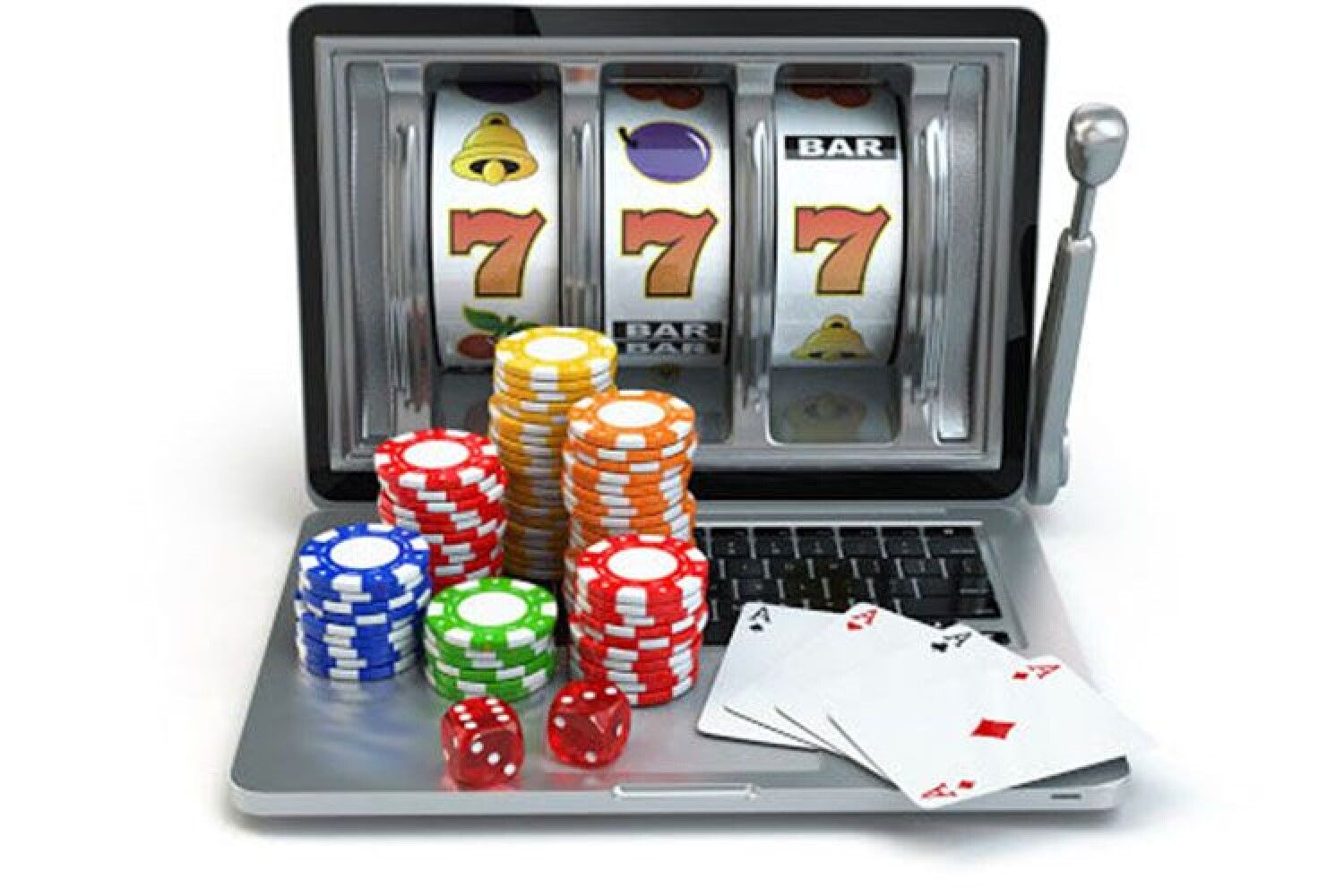
Understanding responsible gambling involves recognizing the signs of problematic behavior, which can manifest as increased spending, neglect of personal responsibilities, or emotional distress linked to gambling outcomes. It is crucial for individuals to remain mindful of their gambling habits and to seek help if they notice any concerning patterns. Awareness is the first step toward ensuring a balanced approach to gaming, making it vital for both players and operators to foster a culture of responsibility.
Moreover, responsible gambling also includes setting personal limits on time and money spent on gambling activities. Players are encouraged to define their own boundaries, which can help prevent impulsive decisions and excessive losses. This proactive approach not only enhances the gaming experience but also contributes to a healthier relationship with gambling, where enjoyment is prioritized over financial gain.
Financial Management in Gambling
Effective financial management is essential for a responsible gambling experience. Players should establish a budget before engaging in any gaming activities and adhere strictly to it. This practice not only helps individuals track their spending but also reduces the risk of financial distress. Setting aside a specific amount of money for gambling can lead to a more controlled and enjoyable experience, ensuring that gaming remains a source of entertainment rather than a financial burden.
Additionally, players should be aware of the various forms of gambling and their associated costs. Different games and platforms have different payout structures, odds, and potential for losses. Understanding these dynamics can help players make informed decisions and avoid games that may lead to excessive financial strain. Keeping abreast of the potential risks and rewards associated with various gaming options will empower players to make choices that align with their financial goals and limitations.
Another important aspect of financial management in gambling involves recognizing the difference between discretionary spending and essential expenses. Players should never gamble with money that is allocated for necessities, such as rent or bills. This clear distinction ensures that gambling remains a leisure activity rather than a source of financial pressure, thus promoting a safer gaming experience.
Setting Limits and Self-Exclusion
Setting limits is a fundamental practice in responsible gambling that allows players to take control of their gaming behavior. This involves establishing personal parameters regarding the amount of time and money that can be spent on gambling activities. By implementing these limits, players can maintain a balanced approach to gaming, ensuring that it remains a source of enjoyment rather than a compulsive behavior. Operators often support this practice by providing tools that assist players in tracking their gaming habits.
In addition to setting personal limits, players also have the option to utilize self-exclusion programs offered by many gaming platforms. Self-exclusion allows individuals to voluntarily ban themselves from participating in gambling activities for a specific period or indefinitely. This is a crucial resource for those who find it challenging to manage their gambling habits, offering a pathway to regain control and prioritize their well-being over entertainment.
Furthermore, the act of communicating these limits with friends or family can also serve as an additional layer of support. Having someone to discuss gambling activities with can help individuals stay accountable and mindful of their spending and time investment. Ultimately, setting limits and utilizing self-exclusion tools contribute significantly to fostering a safer gaming environment and encouraging responsible gambling practices.
The Role of Gaming Operators
Gaming operators play a pivotal role in promoting responsible gambling by implementing industry best practices and providing resources to help players stay in control. Many operators are committed to creating a safe environment through the provision of educational materials that inform players about the risks of gambling. This information is vital as it empowers players to make informed decisions about their gaming habits and encourages them to seek help when necessary.
Moreover, many online gaming platforms have integrated responsible gambling features into their sites, such as deposit limits, time-out options, and self-assessment tools. These features allow players to monitor their gambling behavior and take proactive steps toward maintaining control. Gaming operators are increasingly being held accountable for ensuring that their platforms are not only fun but also safe and secure.
In addition to preventative measures, gaming operators often collaborate with organizations that specialize in gambling addiction prevention and support. These partnerships can provide players with access to resources, counseling, and support networks. By actively promoting responsible gambling initiatives, operators help foster a culture of safety, ensuring that players can enjoy a positive gaming experience without falling into problematic behavior.

Explore the Best Practices for a Safer Gaming Experience
Understanding and implementing responsible gambling practices is essential for anyone who enjoys gaming. By prioritizing financial management, setting limits, and leveraging resources provided by gaming operators, players can cultivate a healthier relationship with gambling. It’s vital to approach gaming with a mindset focused on enjoyment and responsibility, which can lead to a more fulfilling experience.
As the landscape of gambling continues to evolve, staying informed about the best practices and available tools is more important than ever. Embracing responsible gambling not only benefits individuals but also contributes to a safer gaming environment for everyone. By working together, players and operators can ensure that gaming remains a positive and enjoyable activity.
In conclusion, adopting responsible gambling practices is fundamental in creating a safer and more enjoyable gaming experience. Players are encouraged to continuously educate themselves about the risks and responsibilities associated with gambling, actively participate in financial management, and utilize available resources. Together, we can foster a culture of responsibility and enjoyment in the gaming community.